We must work together to find health care affordability solutions
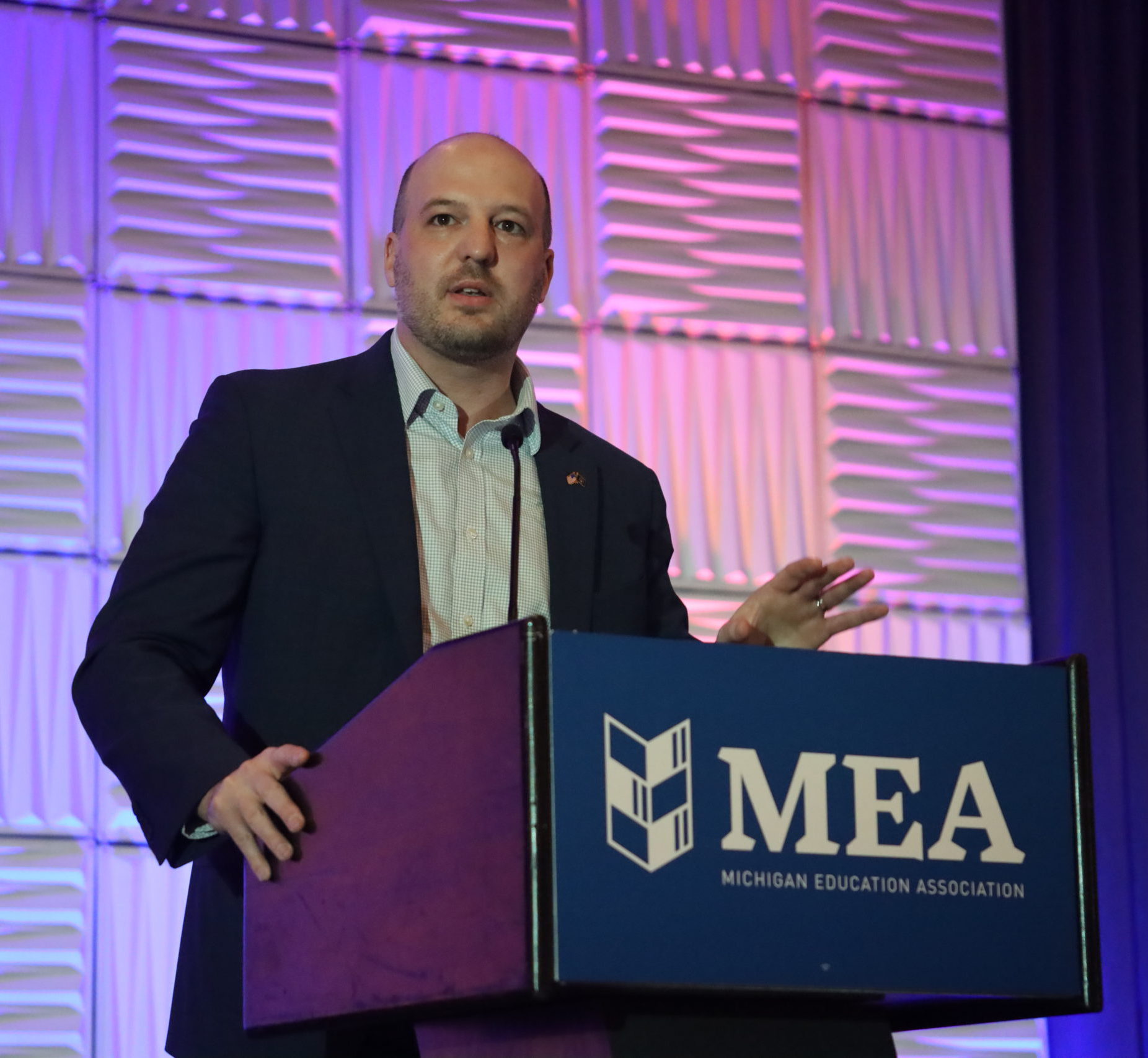
By Chandra Madafferi, President & CEO, Michigan Education Association
“I left my gallbladder in Kentucky” might sound like the refrain of a bad country song – but it’s also been my recent reality.
I am incredibly thankful for the care I received from the doctors, nurses and hospital staff during a recent health emergency while traveling. At the same time, the experience gave me front-row perspective on a health care system under immense strain, and a reminder that affordability and access are not abstract concepts for people waiting for care.
Arriving in the emergency room in excruciating pain, I was admitted for assessment and medication. But, as many patients experience, I spent the first night on a gurney in a hallway because there were not enough rooms for everyone who needed care.
While at times it felt like the set of a TV medical drama, the real-life churn in an ER is constant. As more critical cases come in, patients are moved down the list in the order of care based on the resources available.
When I moved to a room on my second night awaiting surgery, I couldn’t help feeling guilty knowing there were at least 20 others in the hallway waiting for care.
There isn’t one single entity to blame for our nation’s health care crisis – it is a systems problem requiring shared responsibility and real solutions.
Reductions in government support for at-risk hospitals and patients, an aging population, hospital consolidation, high prescription costs, co-pays and high deductibles are all putting enormous financial pressure on our health care system.
Taken together, these pressures result in higher insurance costs for individuals, families and employers, as well as millions of Americans who lack adequate health coverage but still need care. Too often we are quick to blame instead of understanding – and we all have a part to play.
Too often, those without coverage receive care in the emergency room, one of the most expensive places possible. During my hospital hallway stay, I saw and heard people seeking ER treatment for conditions that would typically be handled by a primary care doctor or urgent care for a patient with insurance.
As a country, we need to proactively address our health, avoiding preventable conditions and embracing healthy eating habits. That’s easier said than done, however, given high grocery costs and, especially in urban and rural communities, limited access to quality food choices.
We can center our system around primary care doctors supported by a team of professionals who can help people stay healthy through annual checkups, preventive screenings and ongoing support – not just treating them when they become sick.
To do that, we must address health affordability, which will require commitment from government, employers, insurers, medical providers and patients alike. In the wealthiest nation on earth, everyone should be able to access health care, even if that means everyone needs to tighten their belts to make it happen.
Vilifying individual behaviors, government assistance or profit-driven models isn’t a solution – but fair, shared sacrifice can help restore balance with individual health needs.
For example, rising health costs are a struggle for school employees like everyone else. But Michigan law puts an artificial cap on how much schools and other public employers can pay for insurance, often leaving teachers and school support staff to cover increases alone.
If we are serious about attracting and retaining great educators for our students, Michigan must pass legislation that fairly shares cost increases and allows negotiation over health care to bring balance to the system (something newly introduced Senate Bill 1136 and House Bill 6237 seek to accomplish).
Balanced solutions like these are the only way forward to addressing our health care crisis, for educators and our nation at large.
Labor Voices
Labor Voices columns are written on a rotating basis by United Auto Workers President Shawn Fain, Michigan Education Association President Chandra Madafferi, Michigan Regional Council of Carpenters and Millwrights Executive Secretary-Treasurer Tom Lutz and selected Service Employees International Union members.