Reimagining Schools for the Future
MEA Presidents’ Academy forum brainstorms policy changes to meet student needs on high school requirements, literacy
By Chandra Madafferi
MEA President & CEO
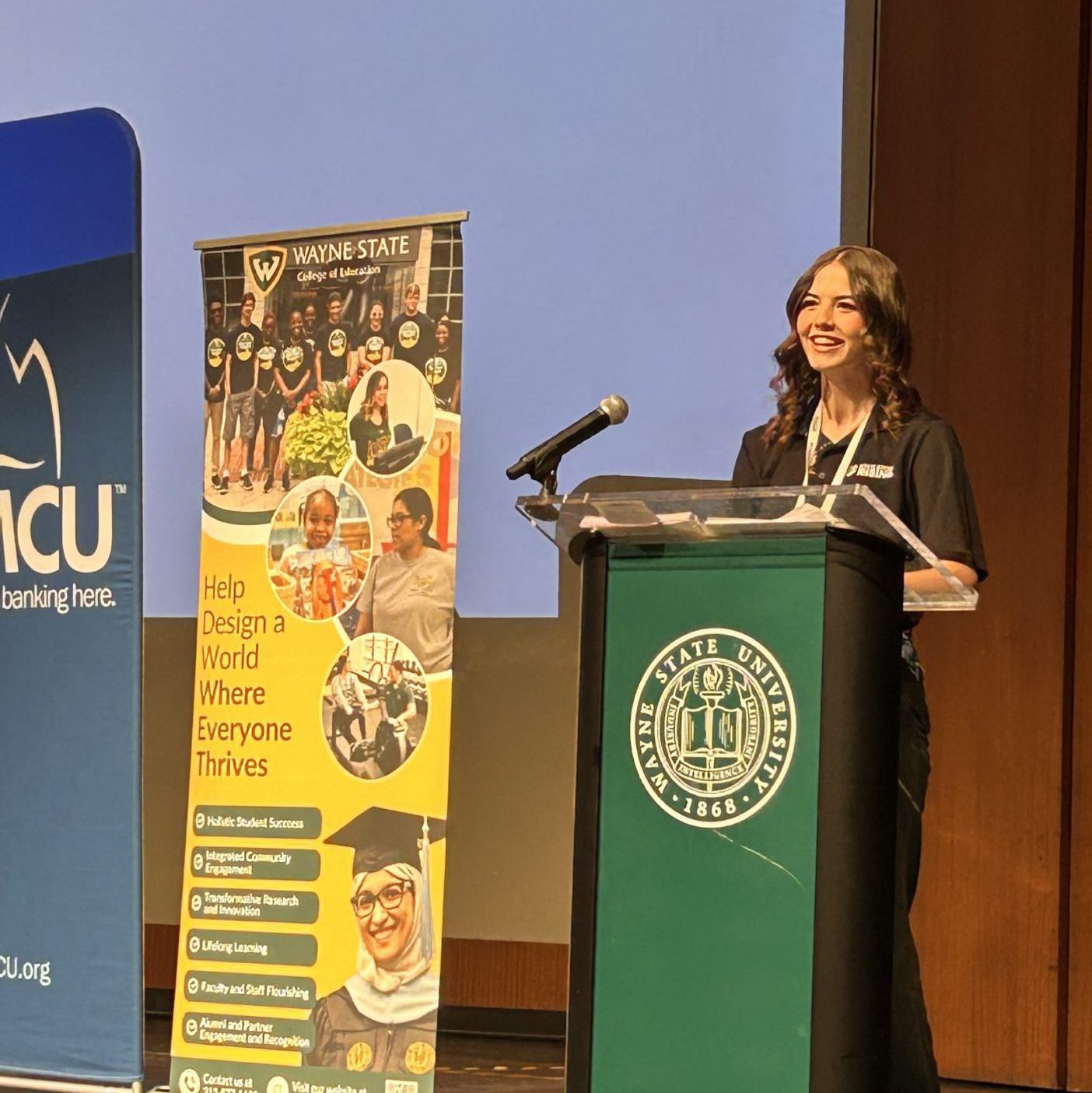
 In October, more than sixty teachers and academic leaders from across Michigan — representing every grade level and region — gathered for a dynamic discussion led by local presidents committed to reimagining the future of education. The conversation centered on two essential questions: What should schools look like to help every student succeed and how can we strengthen literacy statewide?
The energy in the room was unmistakable. Leaders were eager to be part of something proactive, reflective, and creative — work that moves education forward.
For many participants, this effort represents a long-awaited shift. For more than a decade, educators have said they want a real voice in shaping the future, not just responding to decisions made for them. Through this initiative, they’re finally doing just that — using their collective experience, ideas, and influence to design what’s next for Michigan’s schools.
As one participant shared, it felt empowering to “move from fighting against to building toward.” Leaders left energized, hopeful, and ready to lead the change they’ve long envisioned.
I know that our members see firsthand how much student needs have changed — and we can’t prepare tomorrow’s learners with yesterday’s systems. That’s why this work is so powerful. It brings educators together to design schools that nurture critical thinkers, problem-solvers, and compassionate citizens.
Attendees broke into grade-level groups — each charged with envisioning how learning could better serve students’ needs.
Independently, three separate high school groups identified similar priorities: rethinking class schedules to allow for longer instructional blocks, flexibility, and expanded outside learning opportunities beginning as early as tenth grade.
These ideas align with the Michigan Education Guarantee (MEG) — an initiative that aims to give students more agency in designing their own futures through holistic competencies and innovative instruction. Making that vision a reality will require changes to Michigan’s school structures, graduation requirements, resources to support individualized success, and a new generation of educators ready to teach skills that can’t be taught by AI or a computer.
Elementary educators emphasized returning to strong foundations in reading and writing, with literacy skills intentionally embedded across science and social studies.
Across all grade levels, one shared theme emerged: students need more time for fun, creativity, and meaningful reflection away from electronics. Educators expressed a desire for less predetermined and more unstructured time — opportunities for outdoor play, imagination, teamwork, and problem-solving. These seemingly simple experiences build essential social and emotional skills that last well beyond school.
In addition to calling for more time for discovery and play, educators in ALL grade levels emphasized the importance of meaningful field trips and community experiences — opportunities that have largely disappeared over the past decade due to deep school funding cuts, over testing, and the growing pressure of endless curriculum standards. As one educator noted, “so much of what students are tested on today, they could simply Google — but what they can’t Google is how to explore, question, and connect.”
Yes, many schools still have the traditional end-of-year trip to the zoo or another special event, but educators were talking about something deeper — hands-on learning woven into daily instruction. Science lessons at the pond down the road, walks through the woods to make discoveries, or visits into town where students can buy lunch, practice social skills, and build community awareness.
Elementary teachers pointed out that being immersed in real places strengthens language acquisition, a key part of literacy. Many students today simply don’t have access to the kinds of everyday experiences that help develop vocabulary and comprehension. I remember in my early years of teaching we took students to a small petting zoo and realized some had never seen animals as common as chickens or goats. Experiences like that, once routine, have become rare — and educators are eager to bring them back.
It wasn’t too long ago that school looked more like this — when teacher shortages were rare, and Michigan students performed among the best in the nation. Strengthening literacy remains a shared priority, and educators stressed that it must be a team effort involving parents, families, and communities — reading together at home, limiting screen time, and nurturing a love of books from an early age.
Regardless of how test scores are interpreted, there’s critical work ahead to improve student reading outcomes. Governor Gretchen Whitmer has already indicated that literacy will be a major focus during her final year in office in 2026. Without a strong foundation and the right resources, students can struggle to learn to read — and without literacy, they cannot read to learn.
Also, in attendance to hear firsthand from educators were Michelle Richard, the Governor’s senior literacy advisor, and Venessa Keesler, President & CEO of Launch Michigan, both of whom engaged deeply with participants to better understand educators’ perspectives and priorities.