Students in alternative school learn skills, build community
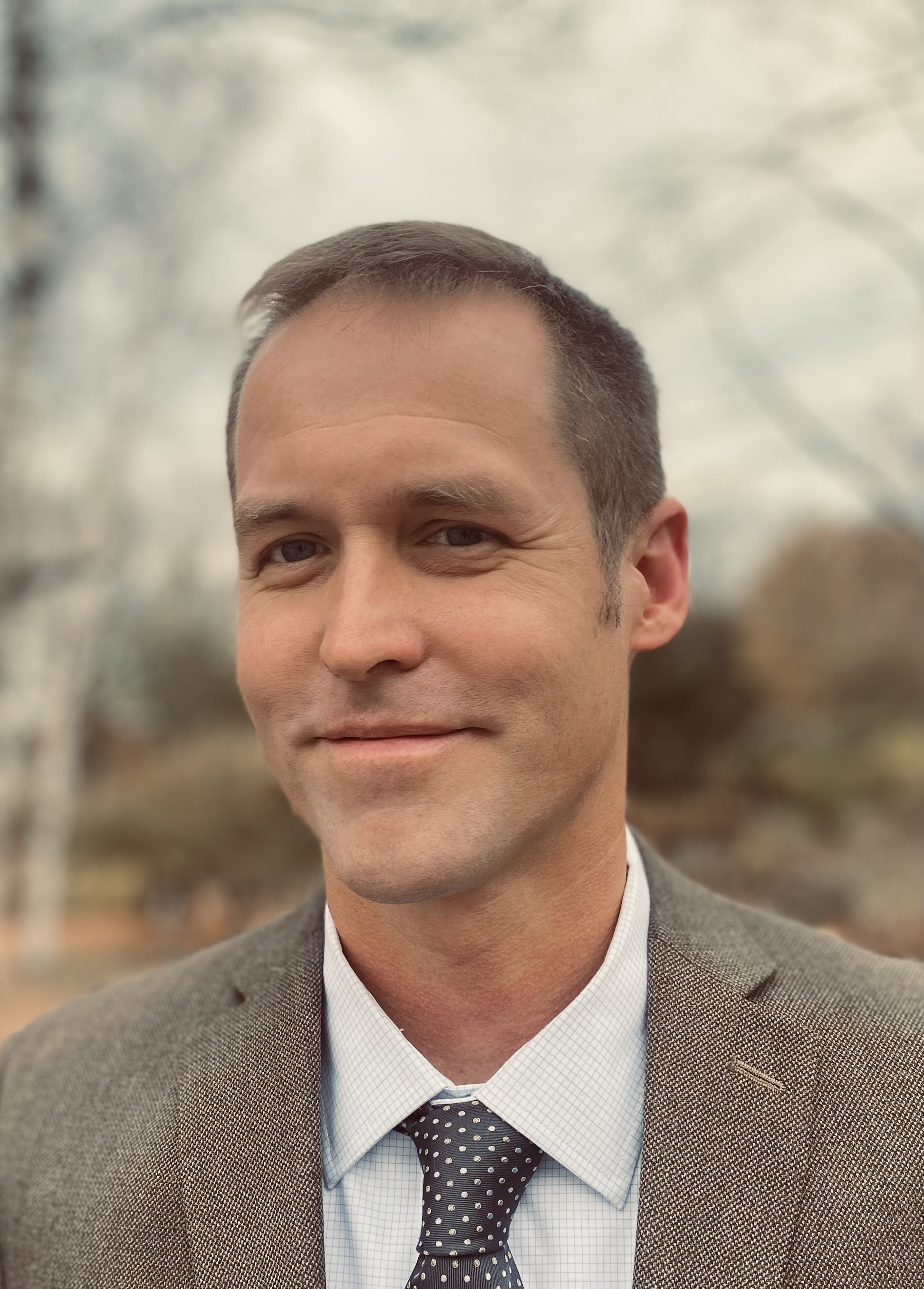
Marquette Alternative High School (MAHS) teacher Brian Prill has helped make the school a statewide leader in environmental sustainability, Career and Technical Education, and in redefining the role of the alternative high school.
Prill, who teaches social studies, Spanish and a construction and work readiness course, provides a world view for his students, having completed Fulbright scholarships in Nepal and Germany and his student teaching in Ecuador.
Prill’s international experiences helped him see the value of democracy in the U.S. His teaching philosophy is rooted in John Dewey’s “Democracy and Education,” published in 1916, which argues that a strong democracy must equally value vocational training and academics.
“They have to work together for our system to function,” Prill said, explaining why he’s spent the past several years involving all his students in projects to make the district, Marquette community and world a better place.
Shining a light on education
Four years ago, Prill’s students studied the United Nation’s Sustainable Development Goals, which include affordable and clean energy. The class concluded that powering MAHS with solar panels would improve environmental sustainability at Marquette Area Public Schools, a district of roughly 3,300 students along Lake Superior in the Upper Peninsula.
 The project would require ingenuity, study, willingness to learn from mistakes —and money. After exhausting traditional grant funding routes, Prill and his students found partners in the Keweenaw Bay Indian Community and Sault Ste. Marie Tribe of Chippewa Indians.
The tribes provided $35,000 in seed money to tap a $34,000 U.S. Department of Energy matching grant. The tribes had supported previous Prill-led projects, including building two local disc golf courses —Eagle Rock in Marquette and Superior Pines in Grand Marais.
The solar panel project also entailed community partnerships, including with Peninsula Solar, a Marquette-based solar panel installer.
This year, students will assess data from the system along with weather patterns and their impact on energy production. They are evaluating the feasibility of generating year-round electricity for the school. The 18.1-kilowatt system now produces a third of the school’s power.
Since going online at the end of September, the solar panel system has generated almost 4,000 kilowatts of energy — a significant start for the project, Prill said.
With energy savings from the system, the school’s new goal is to reinvest the savings along with additional money from sustainability fundraising events to expand the system until 100% of the school’s energy is produced by solar, with potential to extend the program to other buildings.
“This is where the project gets really exciting,” Prill said. “Not only do we get to celebrate a small step towards sustainability while studying real time data from our system, but we also get to create a multiplier effect where our initial efforts and investment of time, energy and money grow and compound.”
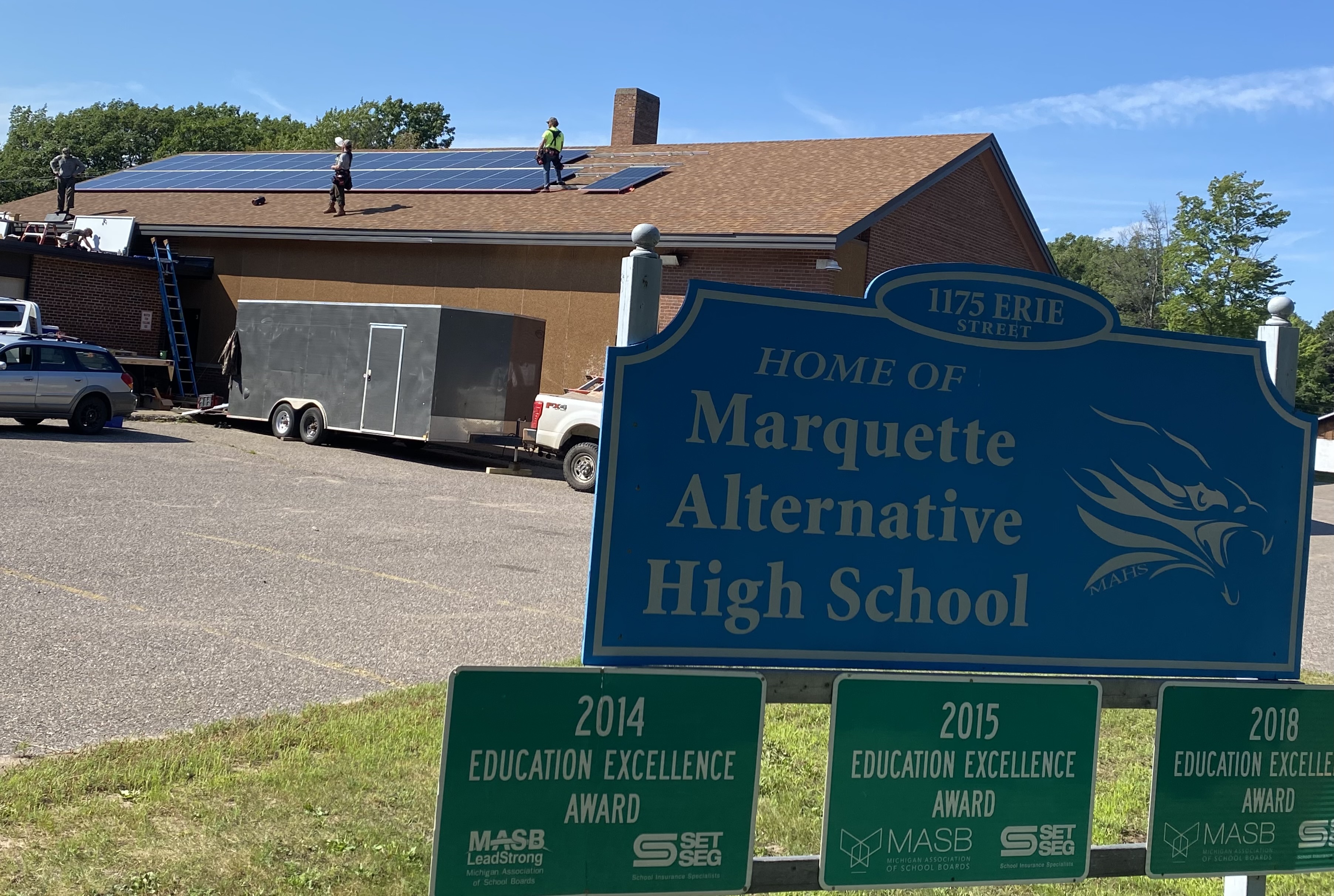 Bradley Miller, a 2022 Marquette Alternative High School graduate, was involved in planning the solar panel project. He learned about the leg work that goes into large-scale projects, such as attending meetings with Prill to obtain approval from the Township Board.
“Once they approved it, he didn’t just take it and do it all himself,” Miller recalled. “He taught the students actually how to write a grant. We did it as a class.”
Marquette Area Education Association (MAEA) President Chris Thoms advocated for the solar panel project for its benefits to students, whose involvement translated into work experiences.
“It was just making sure our central district administrators knew the value of his project. They saw it right away,” Thoms said.
Studying problems, finding solutions
Prill and his students continue to identify sustainability problems and local solutions, creating more hands-on learning opportunities.
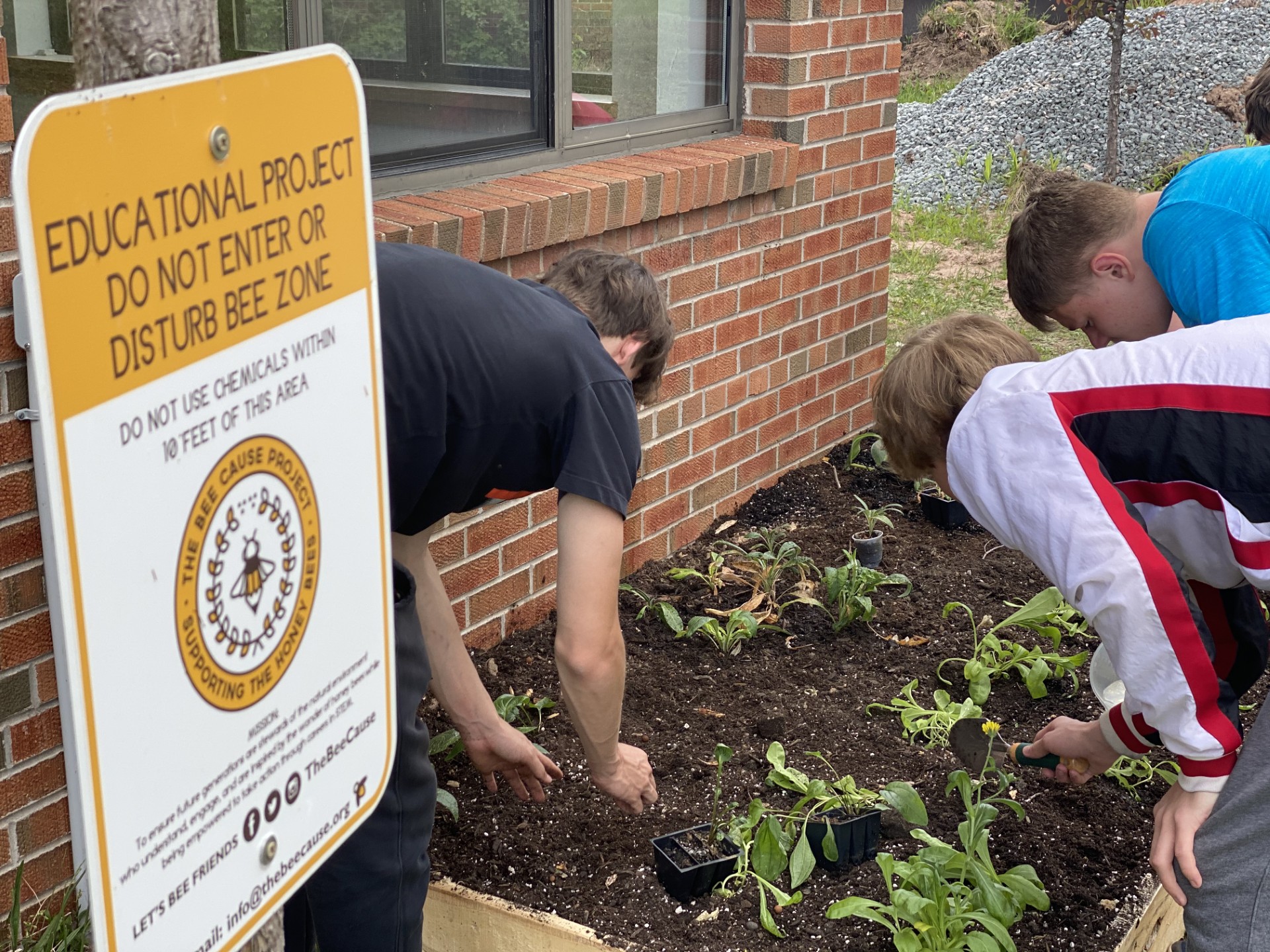
 Prill’s economics students took action when they learned of Colony Collapse Disorder, which occurs when the majority of worker bees in a hive die off or disappear. Related to climate change, the problem threatens essential pollination of crops and ecosystems.
The students installed an eight-panel plexiglass observation hive at the school, which is repopulated every February or March. They wrote letters to the U.S. Environmental Protection Agency making the case to remove pesticides from food systems to protect the honeybee.
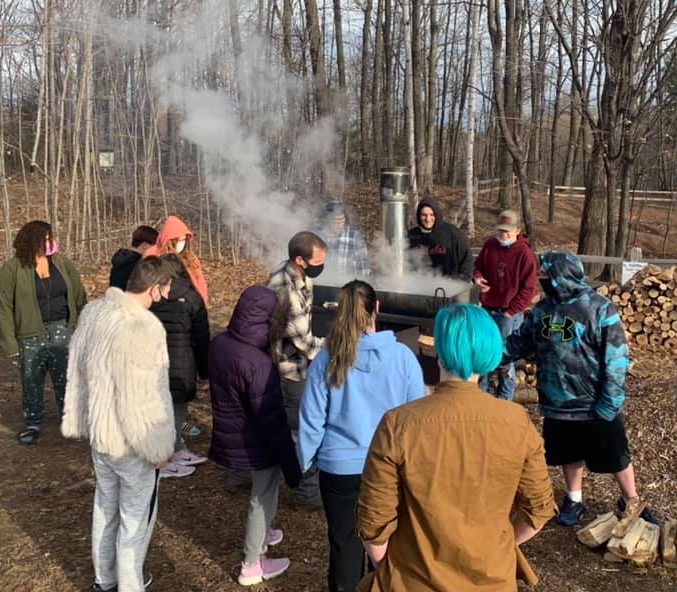
In spring, all of Prill’s students work together to tap local maple trees for syrup, process it, then sell the finished product. Proceeds fund microloans through Kiva, a nonprofit that aids aspiring business owners in the developing world — inspired by his Fulbright experience in Nepal.
Over 10 years, the maple syrup sales have raised close to $3,000 for microloans in developing countries. The businesses repay the loans, which are used again to support new small businesses.
“It kinds of builds this global aspect of the classroom of seeing these things have a real impact on the world,” Prill said. “It helps students understand their power to make the world a better place and their roles and responsibilities in doing so.”
The students also develop entrepreneurial skills in the process, learning price points, costs of running a business, evaluating supply and demand, and investing profit.
Bringing CTE to Marquette
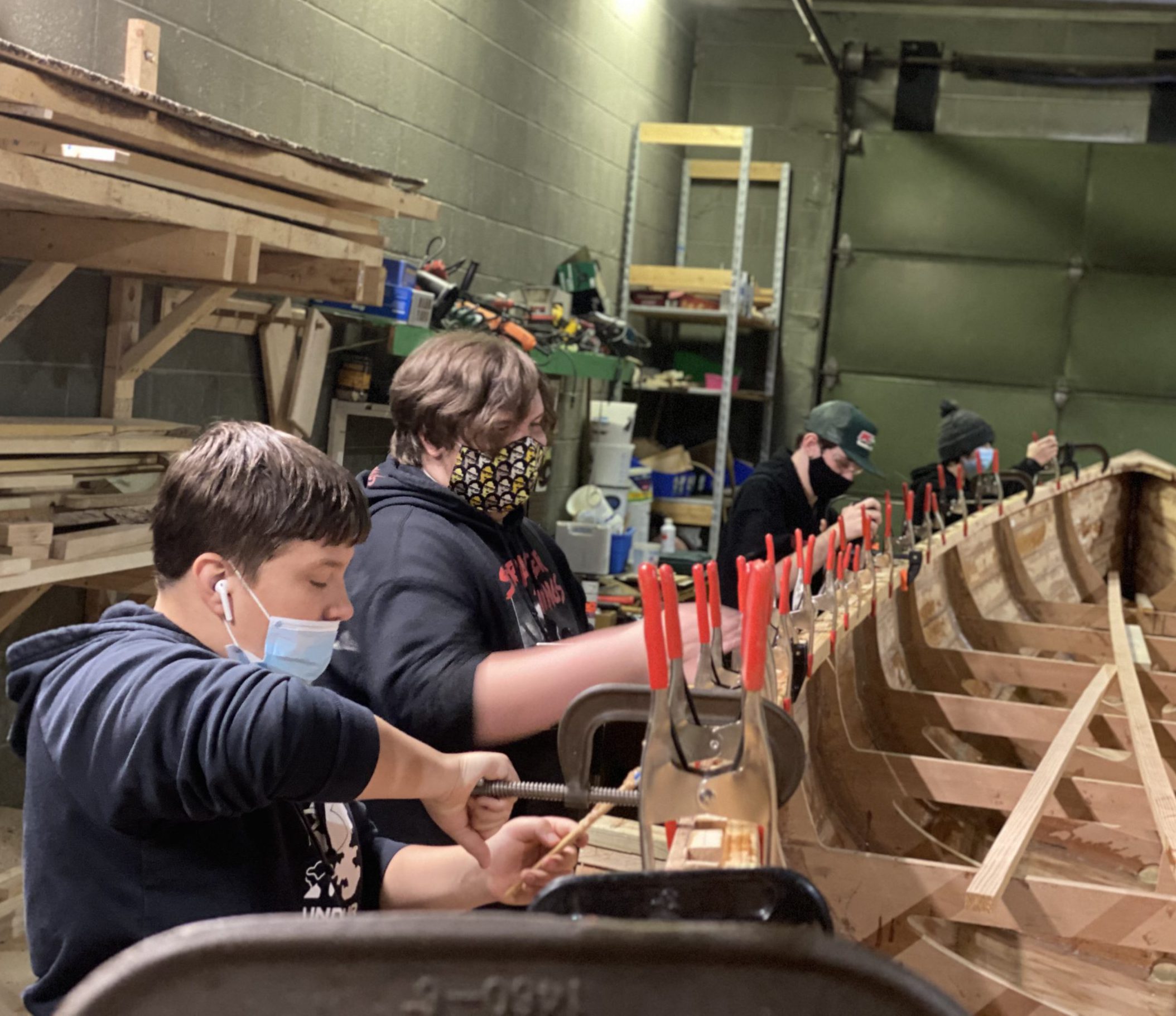
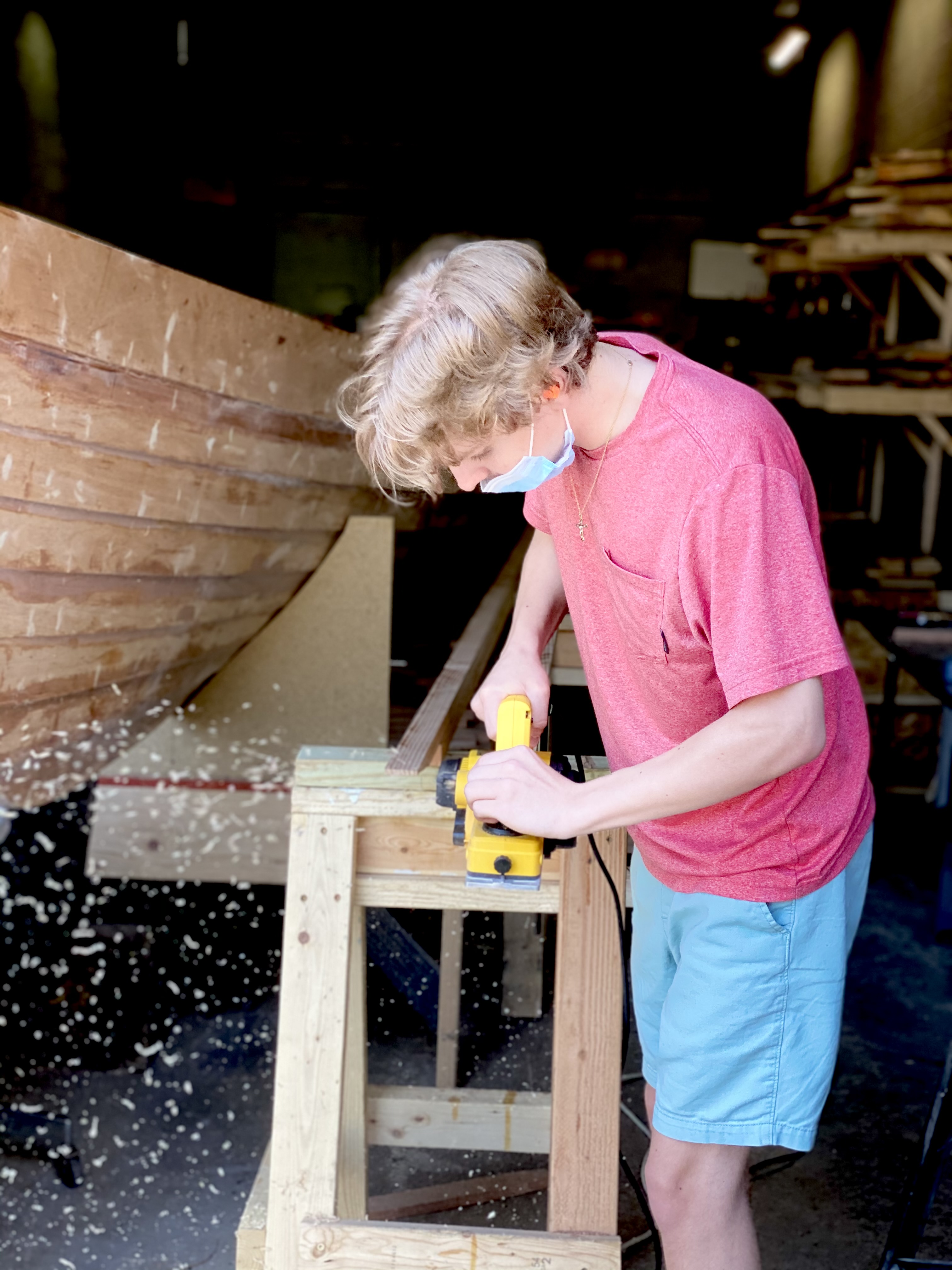 This school year, Prill helped launch a certified Career and Technical Education program in a partnership between his district and the Marquette-Alger Regional Education Service Agency. The CTE program is housed in existing shop space at the alternative high school.
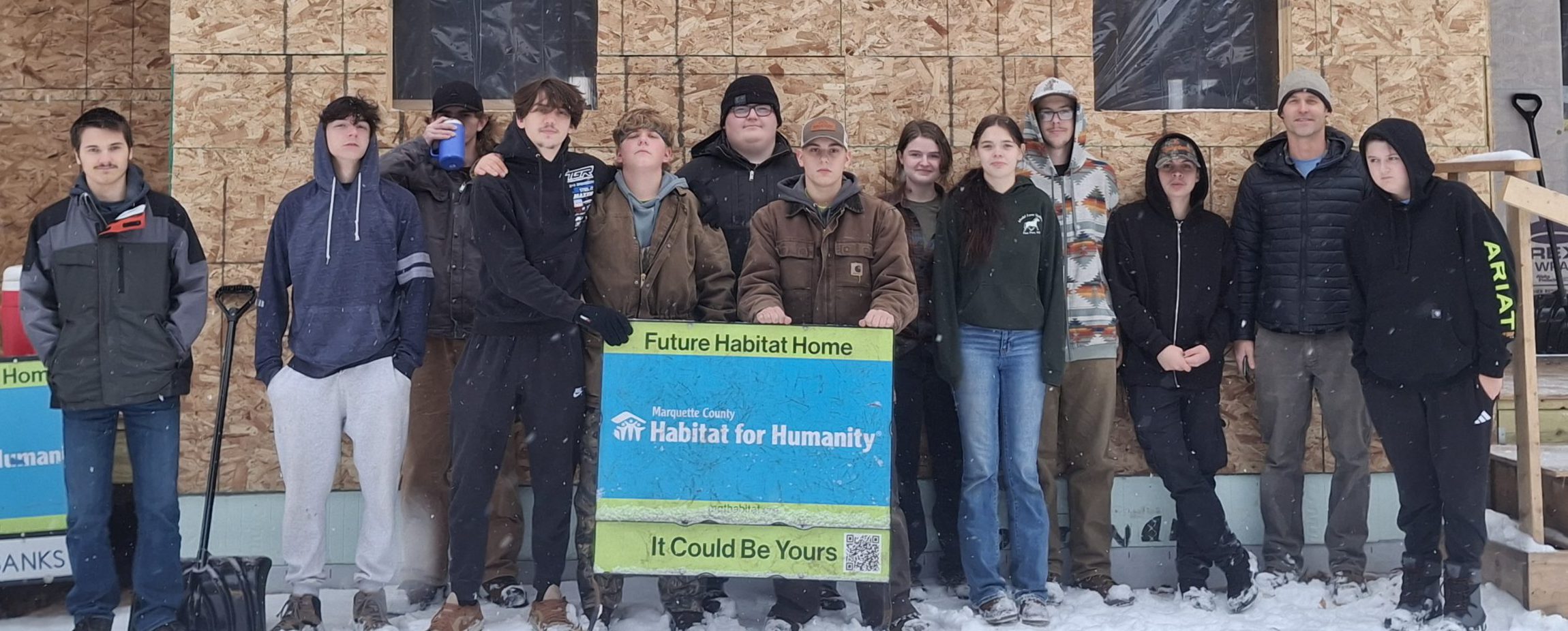
Prill’s Construction and Work Readiness class teaches students woodworking basics, including safely using power and hand tools to build small projects. Those students helped apply siding for a Habitat for Humanity project in Ishpeming in the fall.
The class partners with local unions and building organizations for “talent tours,” in which students visit job sites to discover career opportunities and learn to cooperate, be on time, and develop a work ethic.
“A lot of it is that soft skill building, that grit to be a successful worker and employee in the trades,” Prill said.
He was inspired to start a CTE program in part during a 2022 Fulbright Teaching Global Classrooms scholarship in Germany, a world leader in vocational training and apprenticeships, which solidified Prill’s belief in providing robust quality education for all students, not just the academically gifted.
Redefining the alternative
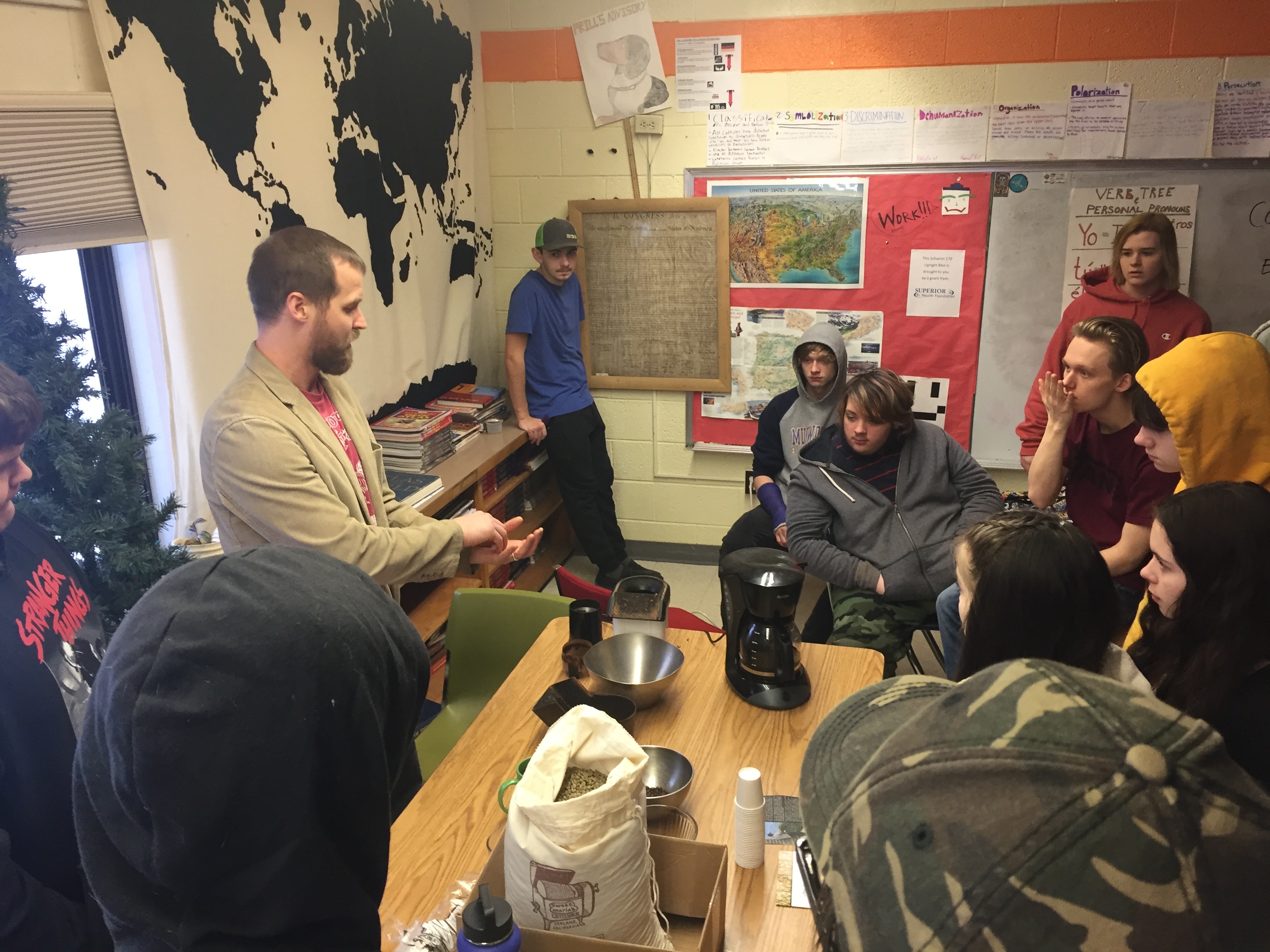 Prill initially thought his job at the alternative high school would be temporary, but 11 years later he remains part of a team that rarely experiences turnover.
Students enroll at the alternative school by choice. School leaders help identify candidates by flagging students who are behind on credit hours, but the school’s goal goes beyond restoring credits to actively engaging kids and getting them excited for their future.
“We’re really successful at that,” Prill said. “I think we’ve kind of turned the curve in our community, where the community sees the value of our work.”
Miller, the 2022 graduate, found his learning home at the school after struggling to fit in at the traditional high school. It was much like an actual home, he said, including a “family room” where students discussed problems or challenges with teachers and staff.
It was the first time Miller felt teachers, including Prill, took time to understand him and how he learned. Today, Miller owns his own automotive glass and calibration business in Marquette.
“I used to be failing in school until I went there,” he said. “I have no idea where I would be right now or the mental state I’d be in. That school changed my life. You’d really have to be there to see the magic of what they do in that school.”
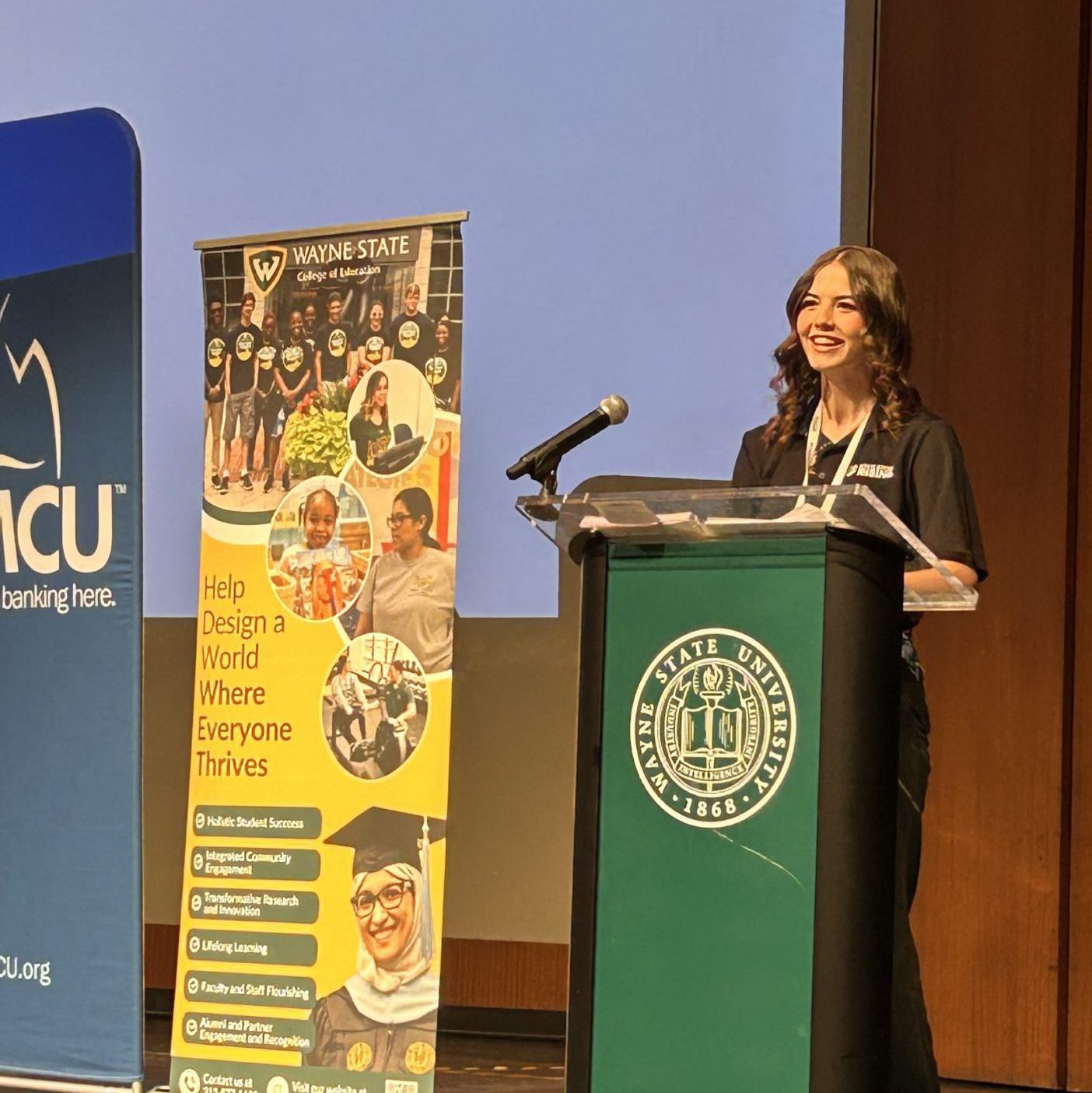
 Violet Mattson, a senior in Prill’s government class, transferred to the alternative school after receiving failing grades at Marquette Senior High School. With more individualized attention, she’s gained self-confidence and now is dual-enrolled at Bay Mills Community College.
“I found my people,” Mattson said. “I found teachers who care about me and want to see me succeed.”
Mattson is headed to Northern Michigan University next year to pursue an early education degree. Through dual enrollment at Bay Mills, she is interning at a preschool down the street from the alternative high school.
“I enjoy it so much and it was just an amazing opportunity. I want to be that teacher who helps kids grow, basically,” Mattson said.
Over the past decade, not only graduation rates have improved at the alternative high school, said Thoms, the MAEA president. The school’s nurturing approach and community connections have boosted students’ health and happiness, he asserted.
“The family meetings they do are some of the best programming our district offers,” Thoms said. “This gives them a place to feel like they’re at home.”