Education: ‘a right of democracy’
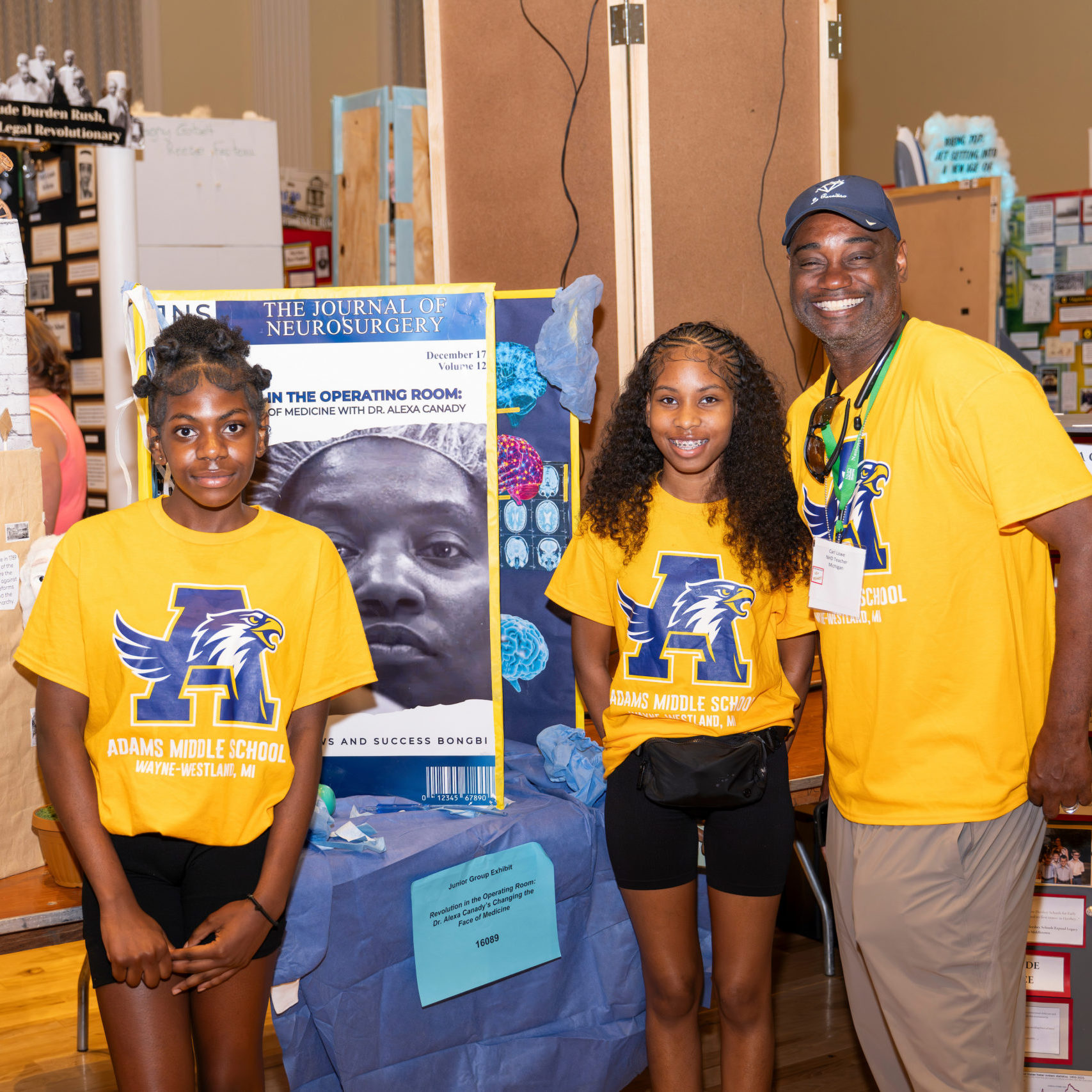
Thirty years ago, MEA member Carl Lowe was a decorated Division I college athlete with a pre-law degree when he chose to become a history teacher.
Lowe drew inspiration from Richard Gordon, a history teacher and track coach at John Glenn High School in Wayne-Westland where he was a star athlete and returned to teach. Lowe remembers as a youth asking Gordon, why teach a boring subject about old dead people?
“Coach said, ‘If you can teach history, you can teach yourself to go anywhere in the world, be successful, and in so doing know how to treat people the way they should be treated.’”
A two-time All-American track athlete and Hall of Fame inductee at Eastern Michigan University, Lowe leads the district’s National History Day program where students design historical research projects for local, regional, state and national competitions.
In January, Lowe was awarded by the Michigan Reading Association for building literacy “not as an isolated skill, but as the essential gateway through which students engage with the world.”
But in 2011, a shift in state policies and rhetoric began to drive pay cuts and demoralization for school employees, which deepened his union involvement. Educators began to have “the feeling of always swimming but you cannot get to the top,” he said.
The union offered emergency assistance, connection, and advocacy. Now a building rep and bargaining team member, Lowe said a contract win in 2019, restoring teachers to salary-schedule steps reflecting years of service, helped to stem a flood of educators leaving the district.
Yet he routinely fields calls from young educators thinking of changing careers and has seen 10 go in recent years. Pay and benefits still have not kept pace with growing demands, he said.
“Education is a necessity — it’s a right of American democracy — and our society needs to go back to where we act like it is.”
QUOTABLES

“The education system that I see is a microcosm of everything that’s wrong with America right now. We don’t take care of our people who do the work.”
Letitia Simmons teaches English in Ann Arbor, where members have been fighting for a fair contract since the last agreement expired on Dec. 31. Simmons began her career under Gov. Rick Snyder and sees ongoing effects from that era’s deliberate devaluing of educators.
In April, Ann Arbor teachers rejected a settlement offer and turned out hundreds for a rally. “That gave us such life. It’s the most power we’ve amassed since I’ve been in the district.”
“Let’s make charter schools accountable, the same as public schools.”
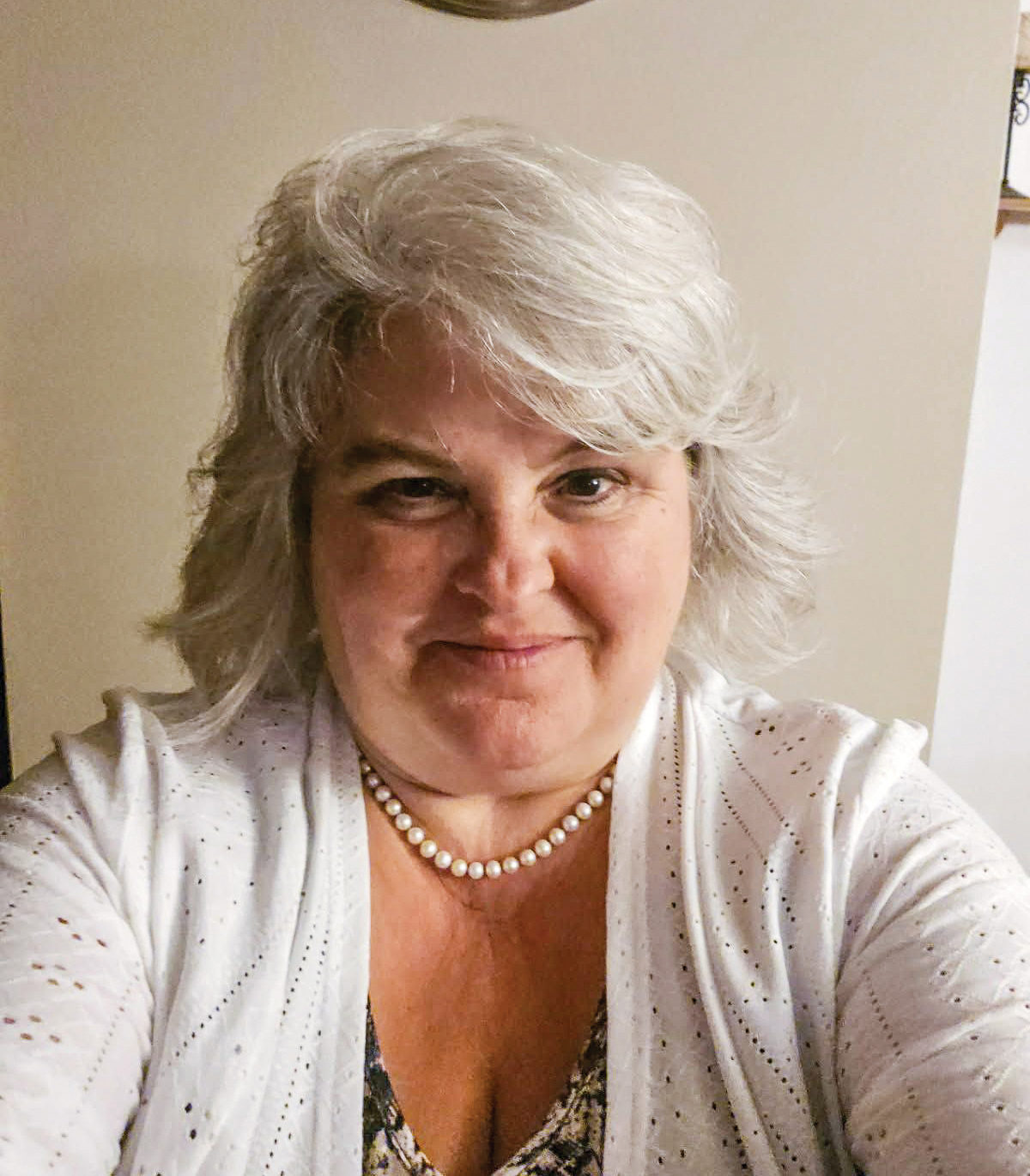
Jayne Niemann is president-elect of the Grand Rapids Education Association who helped to bargain a strong contract through a contentious two-year effort that won retroactive salary increases and restored contract language.
A 30-year educator, Niemann said an inequity remaining from the Snyder years is the uneven playing field between public schools and for-profit charters, competing for a declining number of students. Michigan leads the nation in state-funded for-profit schools.
“It’s not fair if a charter school doesn’t provide transportation, if it isn’t held to the same standards as a public school that services all students who come through the door – with IEPs, language barriers, poverty — we educate everyone.”
Read all of the stories in our special report, ELECTIONS MATTER >> by Brenda Ortega, MEA Voice Editor: