Educators: Remember history to avoid repeating
By Brenda Ortega
MEA Voice Editor
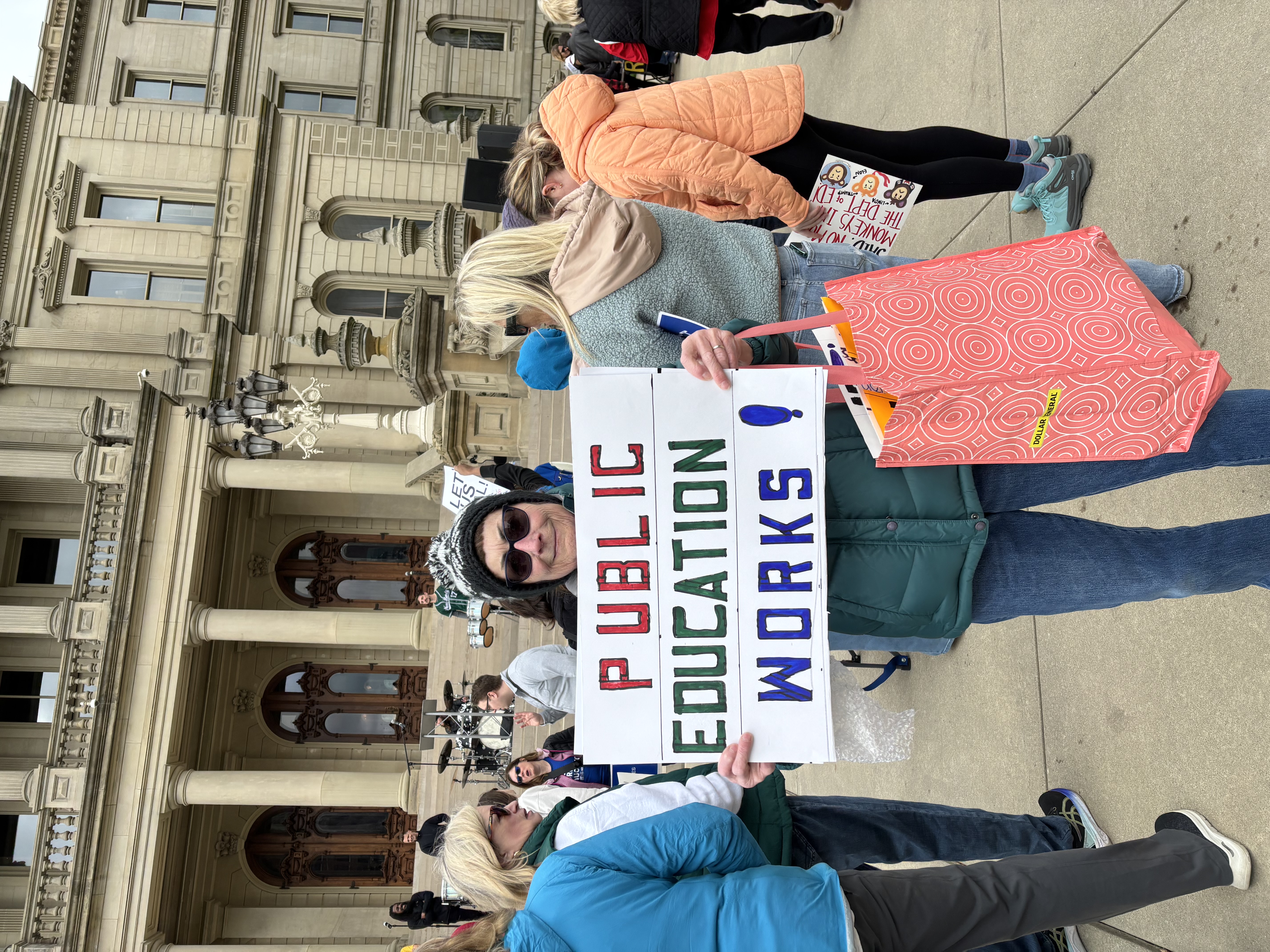
MEA-Retired member Jo Bird started her teaching career in Zeeland in 1974, formally retired in 2006, and subbed for a dozen more years before finally leaving the classroom. But she never stopped being an activist.
Over decades, Bird has devoted her time and energy to many causes, through good times and bad times, despite wins or losses — no issue more than public education.
Her faith in God and human decency keeps her going, she says: “I still believe more people in this country are decent human beings than aren’t. But no matter what — I know the difference between right and wrong, and I’ll never stop fighting for what’s right.”
The struggle to protect and strengthen public schools doesn’t begin or end with one political leader or election but must be sustained, she says. Bird ramped up her advocacy in the early 1990s when Republican Gov. John Engler enacted laws to push charter schools and privatization.
Later Gov. Rick Snyder sped up Engler’s anti-union, anti-public schools agenda after winning the 2010 election, part of a Republican sweep across many states that netted the GOP six additional governorships and flipped 17 legislative chambers nationwide.
One part of the GOP plan across the country involved redrawing state voting maps, based on the 2010 U.S. Census, to advantage Republicans in future state elections.
So-called “gerrymandering” of maps in Michigan resulted in the 2012 election for the state House of Representatives in which Democrats won 54% of the total vote — compared to 46% for Republicans — yet Republicans won 59 seats to Democrats’ 51.
A similar result occurred in 2016, with a nearly even statewide vote total (49.2%–49.13%) leading to a 16-seat advantage for Republicans.
Ultimately in 2018, voter frustration in Michigan led to passage of a groundbreaking statewide ballot measure creating an independent citizens’ panel to draw non-partisan maps. (Read about what happened after the new maps took effect in 2022.)
But by then, much damage had been done to the state’s public schools. Snyder presided over massive education funding cuts, attacks on unions’ collective bargaining rights, financial losses for educators — including changes to retirement and health care — and more.
“Everything was about money with Snyder, nothing about people,” said Bird, who served for 25 years as chair of her local union’s Political Action Committee (PAC) and remains president of her Ottawa County MEA-Retired chapter. “Things are better now under Gov. Whitmer.”
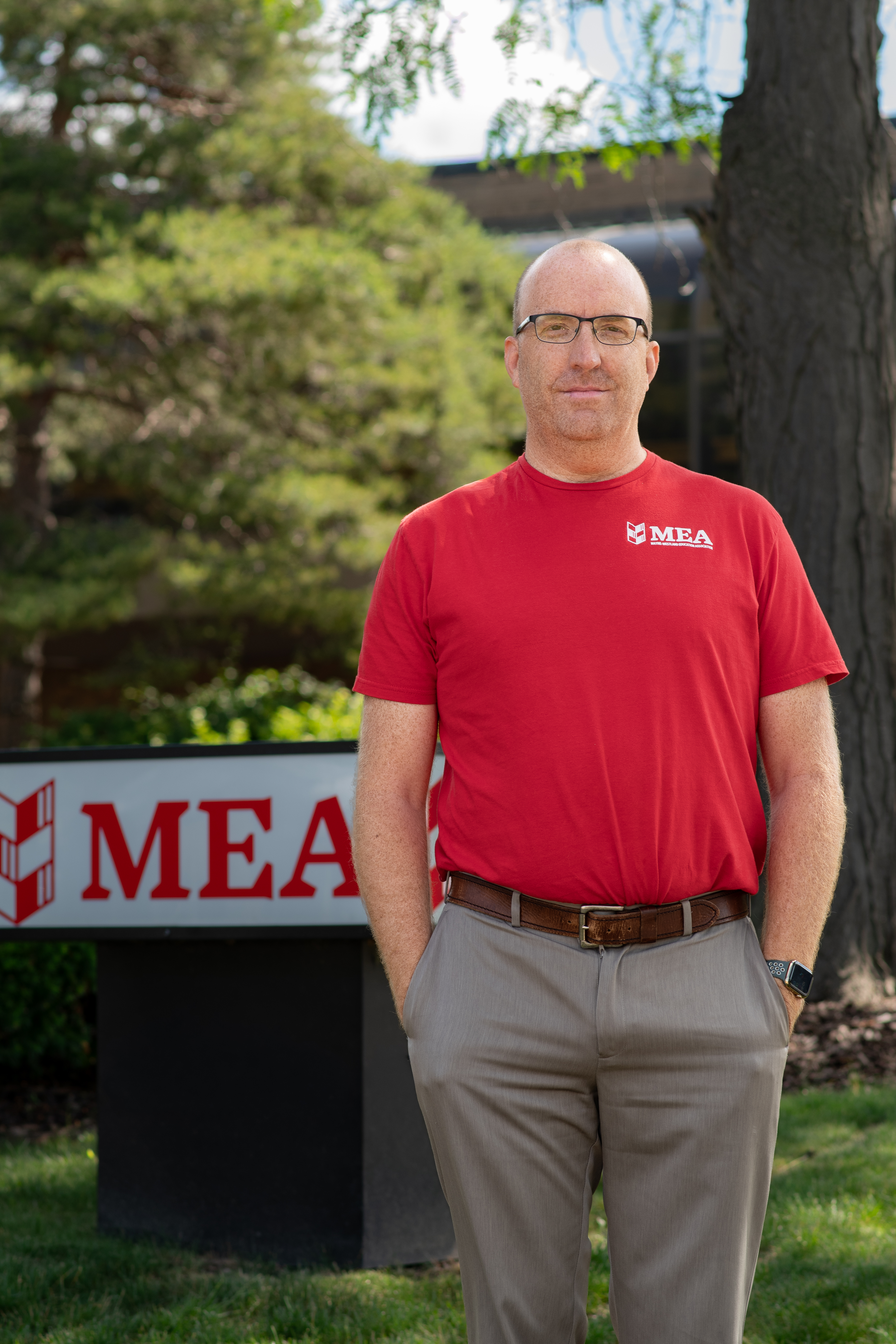
The Snyder years gutted morale among educators, says MEA member Tim Sullivan, a 25-year fourth-grade teacher in the Wayne-Westland School District who retired in June. (Read more of Sullivan’s story.)
Last year, local union leaders in Wayne County surveyed educators in eight school districts to see what they recalled about Snyder’s tenure. “Many of them talked about feeling like they were the enemy,” Sullivan said, “like the state turned on them.”
But a third or more of survey respondents were newer educators who didn’t remember those hard times at all, so Sullivan and other delegates to the 2025 MEA Representative Assembly passed a motion requiring MEA to inform members of that history and the importance of elections.
“Our early-career educators need to understand; what they thought was good can go bad real fast.”
Read all of the stories in our special report, ELECTIONS MATTER >> by Brenda Ortega, MEA Voice Editor: