
Connecting educators and lawmakers
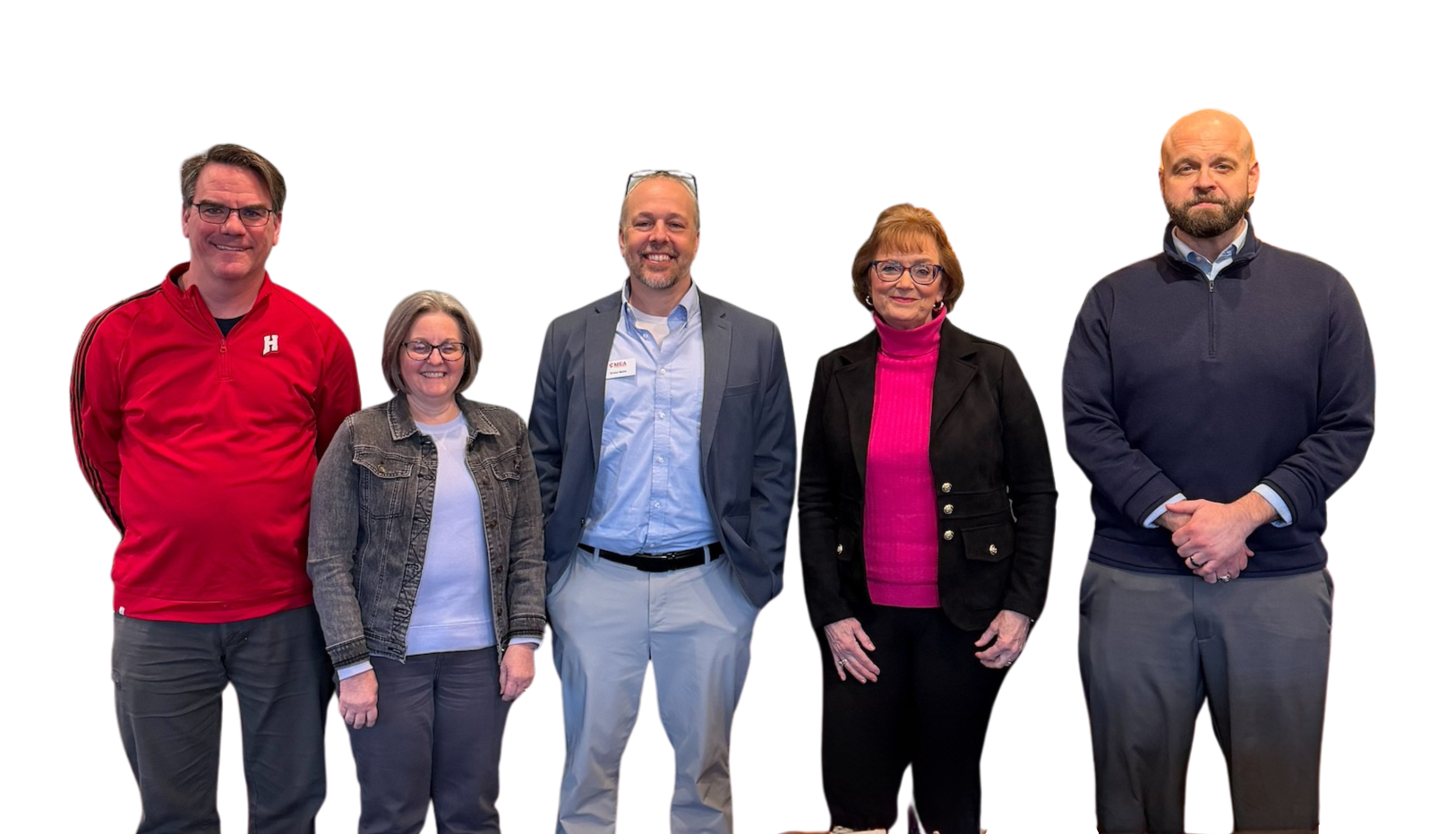
As a 27-year paraeducator at Jenison Public Schools, MEA member Diana Madden never imagined she would sit down to dinner with the chairwoman of the state House Education and Workforce Committee to discuss her work.
But when she was invited, Madden went out of curiosity. “They wanted a paraeducator’s voice in the process. I wondered what it would be like, but I wasn’t sure what I would say.”
A building rep for her support staff union, Madden was the only paraeducator among six educators and two MEA staff members who met with Rep. Nancy DeBoer (R-Holland) and her husband Jim DeBoer — both educators — for a meal and conversation in October.
A smaller group, including Madden, met with the lawmaker again in March.
Madden discussed concerns around disruptive student behavior and school violence shared by members in her unit. “There’s not resources available to help those students, and oftentimes it’s the teachers that have to stop their teaching to address those behaviors,” she pointed out.
Educators from the Holland region are reconstituting a small group of members who meet with lawmakers informally to build relationships and elevate voices from the field when school-related policy is developed, said MEA UniServ Director Clint Waller.
Personal connections matter, Waller said: “Keeping the lines of communication open is critical, even if you’re talking to somebody that doesn’t agree with you on anything, because we all live in bubbles. We have to bridge those gaps.”
Legislative councils operate across the state. The goal of leg-council dinners between a small group of educators and one lawmaker is not to debate issues or argue about policy proposals.
“The only goal of the leg council dinner is to make the legislator want to meet again, which creates opportunity for continuous dialogue to happen,” said MEA Lobbyist David Michelson, who trains new councils and attends the first dinner to make introductions.
Ground rules include no arguing, no agenda, and everyone arrives and leaves together. At the Holland dinners, members discussed student mental health, reduced kindergarten readiness, staffing shortages, and how support staff bear the brunt of school violence.
MEA member Carl Van Faasen attended as a 34-year science teacher at Holland High School because he believes in the opportunities public schools create for children and communities.
A lifelong Holland resident and district alum whose parents had education roles before him — dad was a school board member and mom was a school secretary — Van Faasen has been involved in union leadership and legislative councils on and off for years.
“A lot of people get intimidated thinking, ‘Hey, if I don’t know the details of every bill in Lansing, am I even going to have a good conversation?’ But the object is just to talk about what’s going on — in education and in your school and your classroom.”
Participants described the dinners with DeBoer as relaxed and the former Holland mayor and her husband — an MEA-Retired member — as interested in what they had to say.
Van Faasen says he likes to begin by focusing on common ground or a positive legislative action. In October, he began by thanking DeBoer for helping to pass a positive state budget after a difficult process. In March, it was the new cell phone ban.
The legislative council plans to continue dining with DeBoer periodically to keep conversation going, he said.
“Once you build trust, then when an issue comes up, you have a relationship. You have the ability to reach out and say, ‘This is how it’s playing out in the trenches,’ or “This is how that proposed bill would affect our classrooms.’ It’s really important for us to tell our stories.”
Van Faasen and another council member — Julie Kovacs, a veteran teacher in West Ottawa — had met with DeBoer before October and exchanged phone numbers for ongoing dialogue, he said. DeBoer took over as chair of the House education committee a year ago.
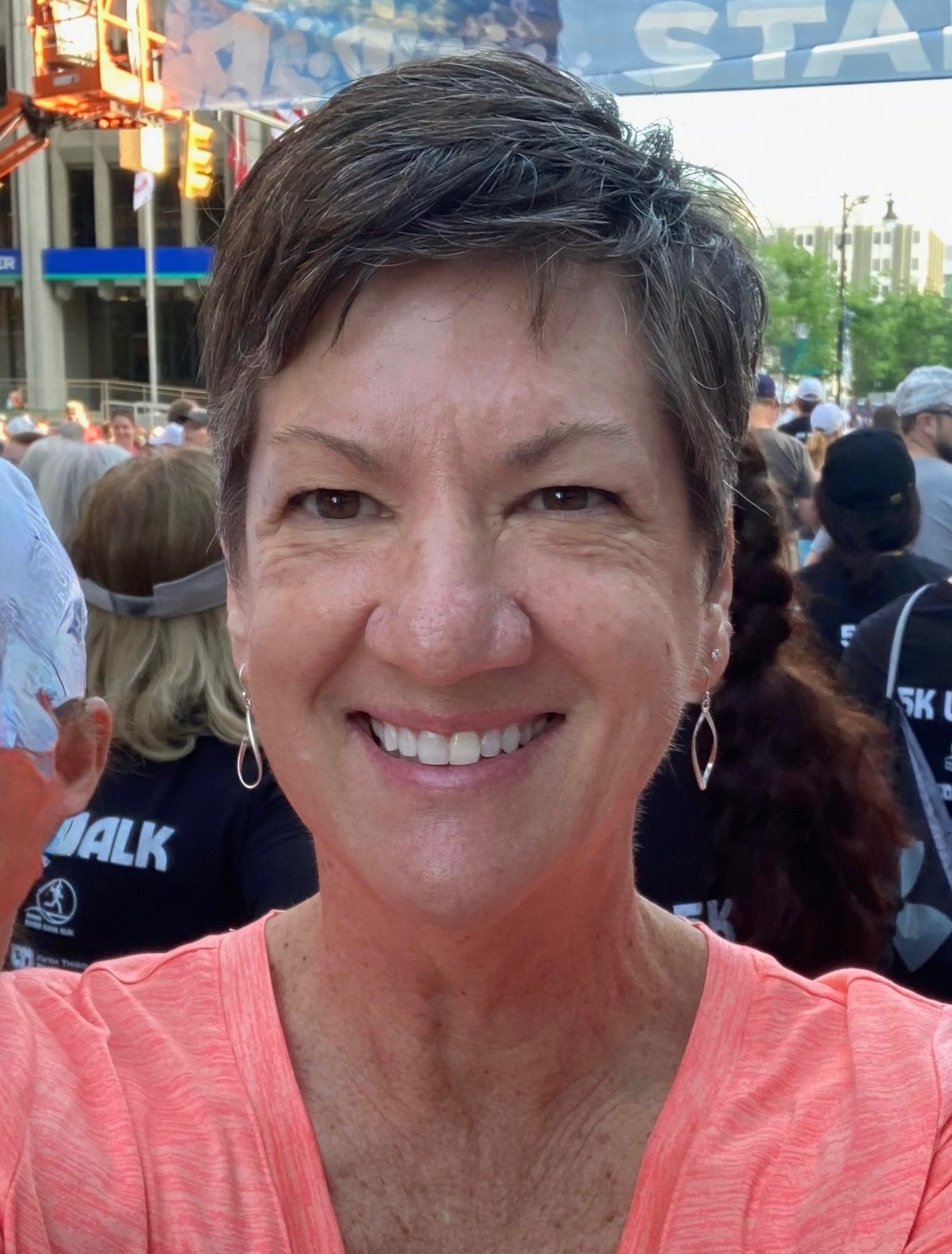
Kovacs, who teaches elementary language arts, became an educator in the footsteps of her mother, a retired special education teacher. After 29 years in the field, Kovacs worries about several issues she sees contributing to educator shortages.
Difficult student behaviors, long hours spent on standardized testing, political attacks on teachers. If tough working conditions continue to drive people out of the profession, educator recruitment efforts won’t make a difference, she said.
That’s why she joined the leg council. Knowing how much the work of legislators shapes the daily lives of educators, Kovacs appreciates the chance to develop a relationship and become a trusted voice with her representative.
“One thing I’ve noticed is that everybody seems to know somebody who’s a teacher, which is a great place to start making connections,” Kovacs said. “The informal setting is nice. It reminds you that people are people and that we can always find things to talk about together.”
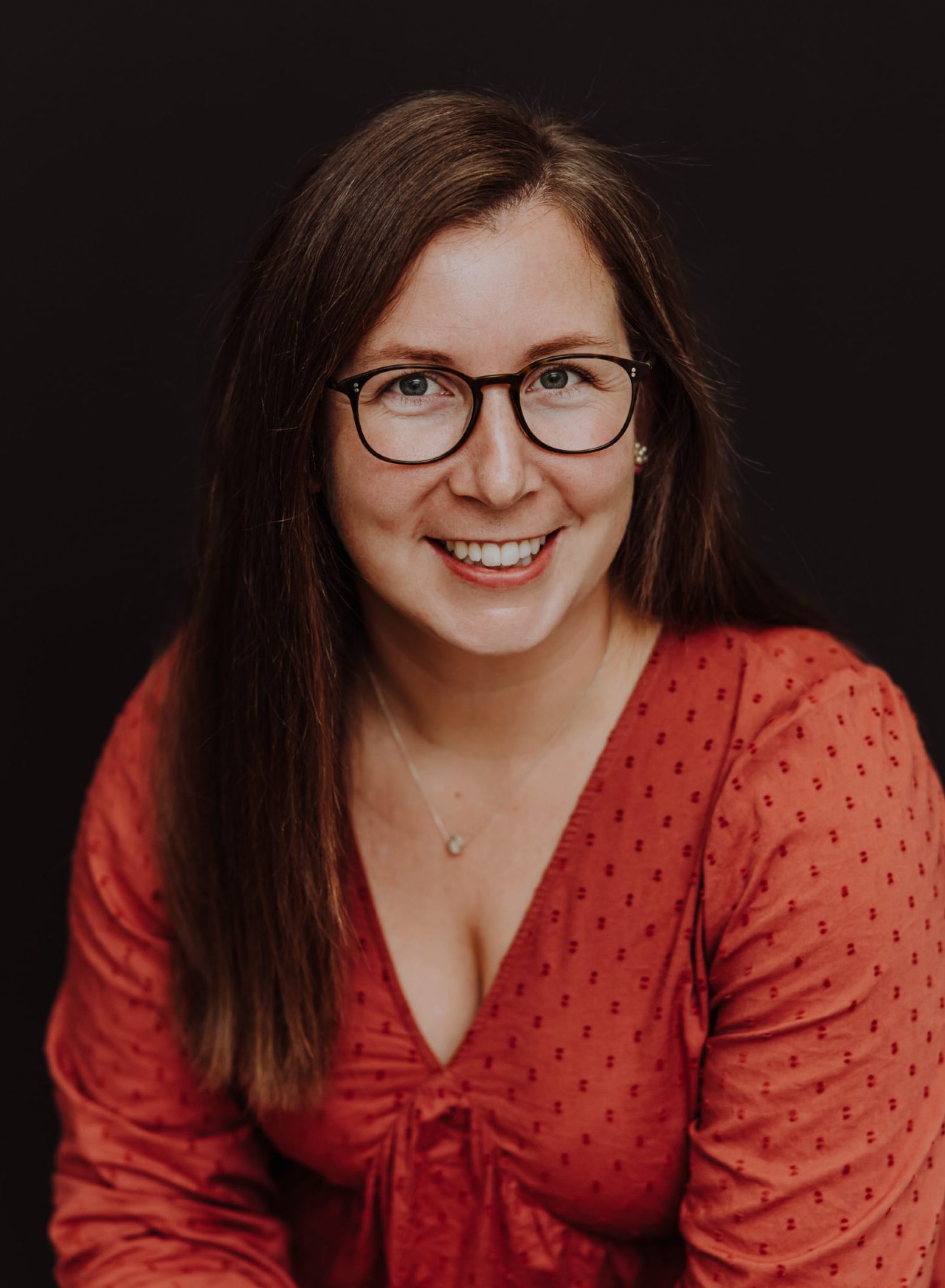
Another member of the council, MEA member Erika Dvorak, brings a different perspective as a nine-year middle school counselor in West Ottawa who came to the profession from awareness that student success requires team effort focused on the whole child.
“There’s more that goes on for kids than being in the classroom learning content and curriculum. There’s a lot of social-emotional growth, support, and development that happens while they’re at school,” said Dvorak, who serves as MEA-PAC chair in her local union.
Michigan has the second-worst student-to-counselor ratio in the nation at 573-to-1, and Dvorak can translate the numbers into realities on the ground: Without enough counselors, career exploration programs and proactive mental health supports fall by the wayside.
It’s all about ensuring educator voices inform school policy. “I want to make sure that the kids in our state are getting what they need to be good stewards and good citizens for the rest of their lives.”
To inquire about starting or joining a legislative council in your area, contact your local MEA field office.